When does cosmetic wear become an operational risk in commercial buildings?
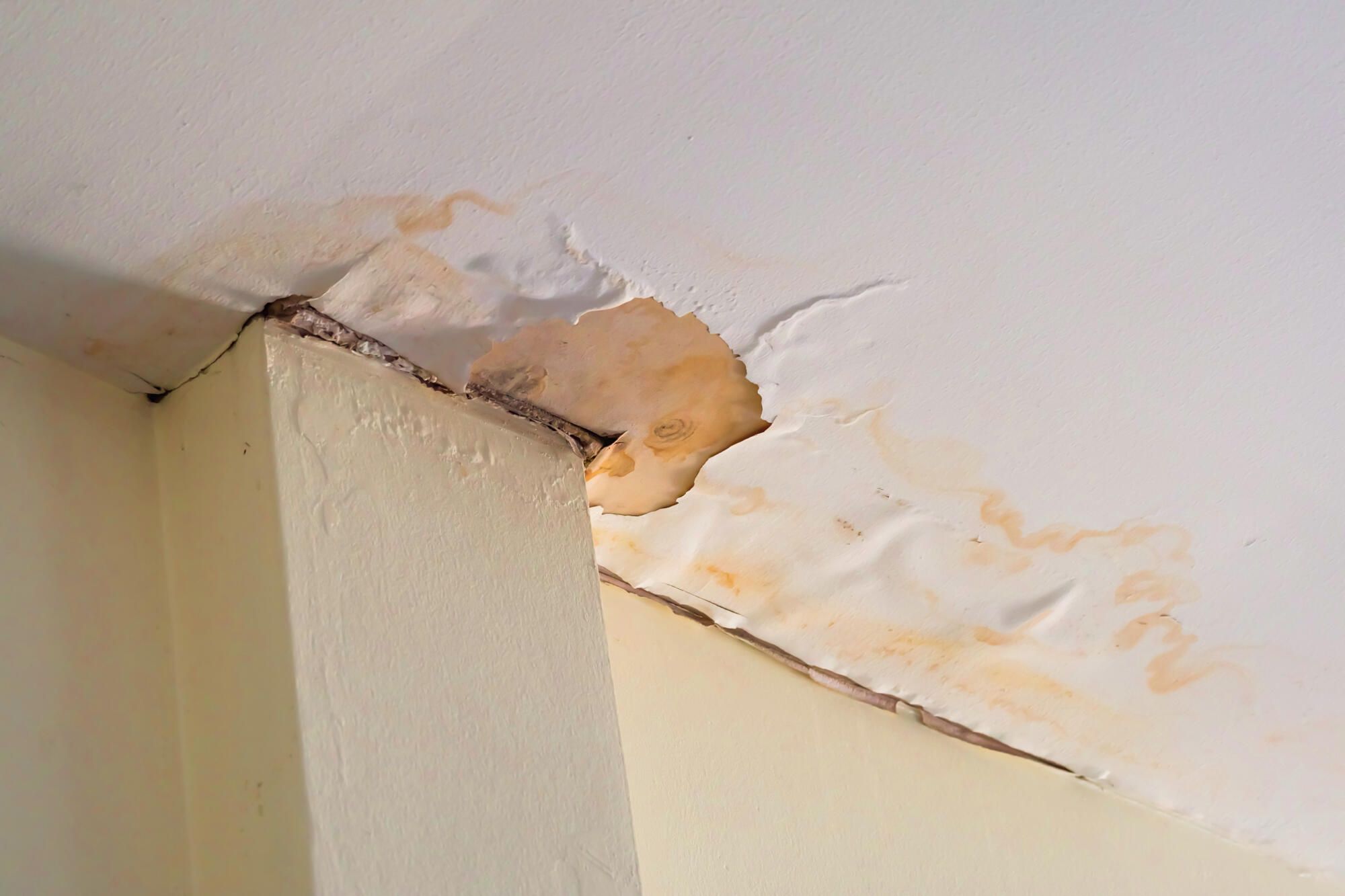
How your building looks matters a lot, especially when aesthetic issues start becoming operational risks. Once you notice that old flooring, peeling paint, and faded floor markings are threatening the safety of people inside your building, it’s time to act.
As per the National Safety Council, falls injured nearly 480,000 US workers seriously enough for them to miss work in 2024. Unfortunately, your building may be the scene of accidents if it features worn or poorly maintained surfaces. You may think that the scuffed floor coating in your building is unthreatening, only for it to cause serious accidents.
You should know how to spot this operational risk. Once you do, you can take steps to maintain workplace safety.
Which Types of Cosmetic Wear Actually Threaten Operations?
Not all cosmetic wear aspects are the same. Some are harmless, while others will give you operational problems.
These types of wear include:
- Peeling or bubbling paint
- Water stains on ceilings and walls
- Worn or peeling floor coatings
- Faded safety markings and line striping
- Weak coatings on doors, railings, and structural steel
You can lose a lot of money if you don’t fix these issues early enough. To protect your profits, ensure you make your commercial property risks a priority.
When Does Cosmetic Wear Cross into Operational Risk?
Cosmetic wear may not seem too dangerous, but it can cross the line sometimes. Here is when you notice you’re dealing with an operational risk:
Wear as a Sign of Hidden Damage
Some cosmetic issues can warn you that something bad is happening inside the surface of your commercial building. For example, peeling paint or staining can be a sign of rot, corrosion, or moisture intrusion under the surface.
Knowing these cosmetic wear effects allows you to get solutions as soon as possible.
Safety Hazards Become Common
Wear becomes a direct hazard when it affects the safety of people accessing your building. Your staff and clients may trip and fall because of:
- A loose handrail finish
- A faded stair-edge marking
- A worn-smooth floor coating
Handling these operational risk factors may be as easy as hiring a professional like a painting contractor. Your goal is to ensure occupants are safe.
Compliance or Liability Issues Affect Your Profits
Cosmetic wear can sometimes put you in legal trouble. For example, if your building has faded safety markings, it may be out of code compliance. Any injuries that happen because your space was unsafe can lead to liability claims.
How Can I Prevent Cosmetic Wear from Becoming a Risk?
You can easily fix cosmetic wear. Here are ways you can conduct proper property maintenance:
- Inspect your building regularly
- Repair minor issues as soon as possible
- Use quality materials during building maintenance
- Hire licensed and experienced building contractors
- Document all of your property maintenance projects
Risks become worse the longer you ignore minor wear. If you’re timely with maintenance, you can protect the value of your assets, ensure occupant safety, and maintain operational continuity.
Protect Your Commercial Building From Operational Risks
When you notice cosmetic wear in your building, you shouldn’t ignore it. If you leave these issues unchecked, they can turn into an operational risk that can cost you millions in repairs or liability claims. Always find a contractor to fix them immediately.
For more news, subscribe to our newsletter.


You May Also Like