Your Leftovers Deserve Better: Why Foil Ain’t the Move
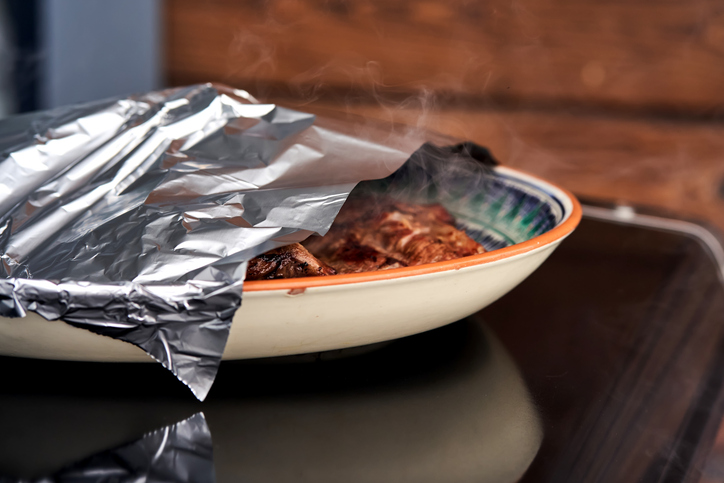
If you grew up in a Black household, you already know foil is basically a love language. After Thanksgiving? Foil. Sunday dinner? Foil. Leaving Big Mama’s house with two plates? Foil on foil on foil. It’s the universal sign for “take this with you, baby.”
But food safety experts are starting to wave a red flag, and it turns out our shiny go-to might not be the best move for leftovers in the long run.
Foil doesn’t seal the way we think it does


We love it because it’s quick. Rip, wrap, fridge. But foil doesn’t create a tight seal, even when you fold it twelve times like your mama taught you.
Because air can still get in, bacteria like Staph (common in meats) and Bacillus cereus (found in rice and starches) can multiply—even if you reheat the food later. And the kicker? Reheating doesn’t kill those bacteria.
It keeps heat trapped too long
Foil is great at keeping food warm on the stove, but in the fridge? Not so much.
If you wrap hot food in foil and toss it in the fridge, that leftover heat can keep your food sitting in the “danger zone,” where bacteria grow fastest. That means your plate of dressing, yams, and turkey might spoil faster than you think.
Botulism? Say less
The biggest shocker: storing foil-wrapped baked potatoes in the fridge has led to cases of botulism.
The bacteria Clostridium botulinum loves low-oxygen spaces—exactly what happens when a potato sits wrapped in foil. And because potato skins hold dirt (even cleaned ones), it’s a risky combo.
Can foil leech into your food?
Acidic foods like tomato-based pasta or citrus dishes can break foil down, allowing aluminum to get into your food. Aluminum is a known neurotoxin, and while the risk from quick wrapping is low, experts say it’s better to avoid foil touching acidic leftovers altogether.
So what should we use instead?
Don’t worry—you don’t have to break up with foil forever. But experts say airtight containers or sealed storage bags are safer for most leftovers.
Just remember:
- Refrigerate within 2 hours
- Eat leftovers within 3–4 days
- Freeze if you need to keep them longer
Foil is still fine for reheating or covering dishes short-term—but maybe not for that plate you’re planning to eat three days from now.
The Kickback w/ Jazzi Black and DJ Wire Weekdays 9A-3P, Saturdays 12P-3 P | Follow us on IG @kickbackoffair , Follow Jazzi Black on TikTok @jazziblack


