Energy prices are forcing companies to rethink old assumptions
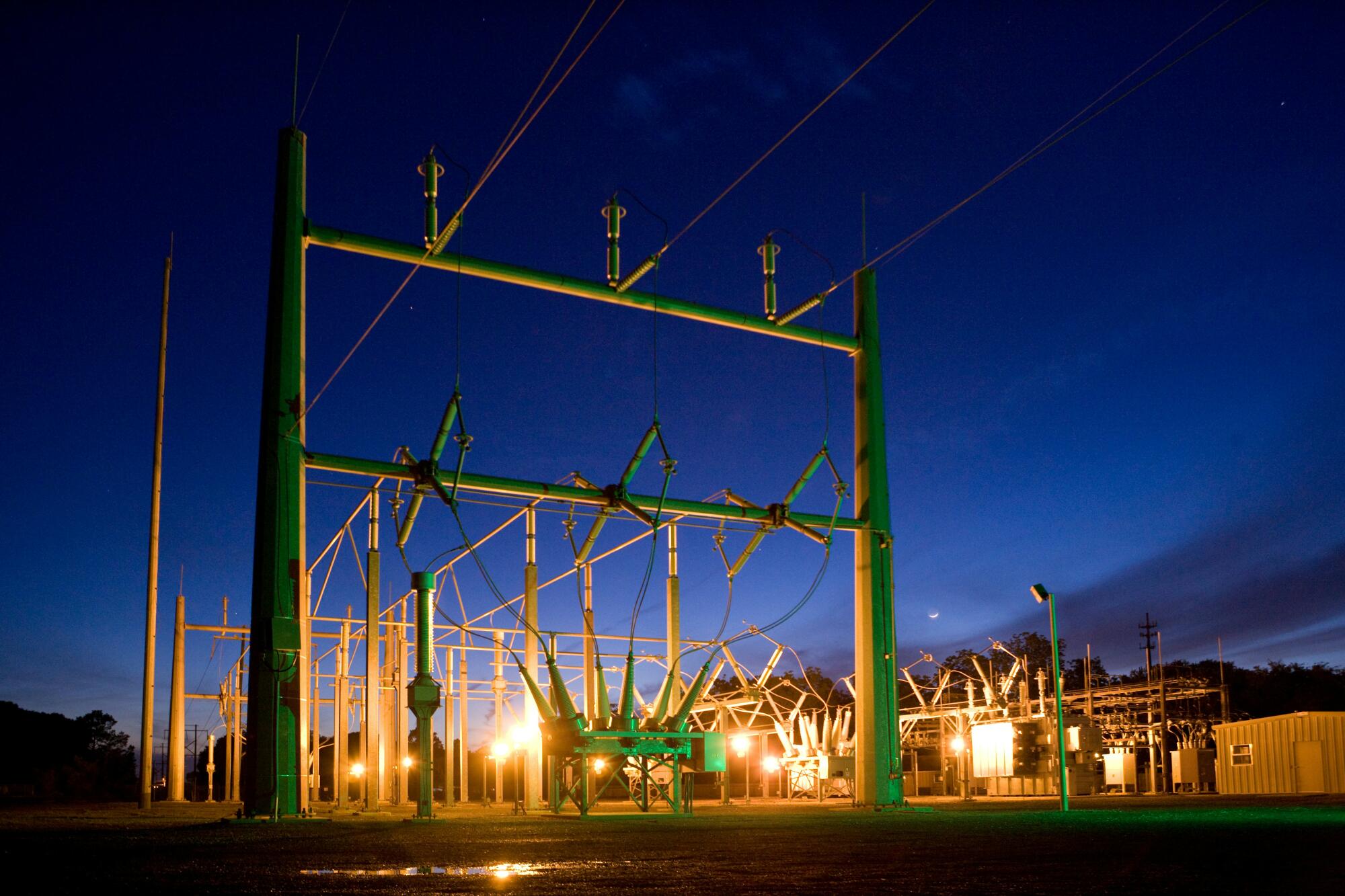
Rising energy prices are prompting businesses to reevaluate long-standing assumptions about operations, budgets, and long-term investments.
When was the last time your company’s energy bill influenced a major business decision?
Energy costs are moving in the wrong direction for many businesses. The U.S. Chamber of Commerce notes that growing electricity demand, aging infrastructure, and bottlenecks in expanding energy supply are contributing to higher power prices in many parts of the country. At the same time, electricity demand is expected to rise sharply over the coming years.
A few years ago, energy was rarely the first topic raised during budget discussions. Today, higher utility bills are pushing it much closer to the top of the list.
How Are Businesses Responding to Increasing Energy Costs?
There is no single playbook for dealing with higher energy bills. What works for a warehouse may not make sense for a hotel, manufacturing facility, or office complex.
Some businesses are upgrading lighting systems. Others are reviewing equipment performance or changing operating schedules. Some are exploring renewable energy options such as commercial solar installation in New Mexico as part of a broader effort to manage future energy costs.
The focus is shifting from short-term savings to greater control over operating expenses.
Which Industries Are Most Affected by Rising Energy Prices?
Not every business feels rising energy prices the same way. Operations that depend heavily on equipment, refrigeration, climate control, or around-the-clock power use tend to feel the impact first.
Industries facing the most pressure often include:
- Manufacturing facilities
- Warehouses and distribution centers
- Agricultural operations
- Data centers
- Hotels and hospitality businesses
- Large commercial properties
A hotel does not use energy the same way a data center does. A farm faces different challenges than a warehouse. What they share is a growing need to keep energy costs under control.
Energy Efficiency Delivers Long-Term Benefits
Many businesses begin by looking for immediate savings. The bigger value often comes from reducing energy consumption year after year.
Replacing outdated lighting may not seem dramatic. Across multiple locations, however, the savings can become difficult to ignore. Upgraded equipment, improved insulation, and energy management systems can also reduce unnecessary energy use.
The benefits extend beyond lower utility bills. Better efficiency can make future expenses easier to predict and free up resources for other priorities.
Old Budgeting Assumptions Are Being Reconsidered
For many years, energy was treated as a predictable operating expense. Budget forecasts could be built around the expectation that utility costs would rise gradually and remain manageable.
That assumption has become harder to maintain. Energy markets can change quickly, and price increases can affect everything from operating costs to expansion plans.
Many businesses are rethinking ideas that once seemed reasonable:
- Energy costs will remain relatively predictable
- Utility expenses will stay a minor budget item
- Existing equipment will remain economical for years
- Growth plans can be made without considering energy demand
Energy costs now play a larger role in decisions about equipment purchases, facility upgrades, and future spending.
Energy Costs Are Changing Business Priorities
Energy is no longer viewed as a routine expense that can be taken for granted. Rising energy prices are influencing decisions about budgets, equipment, efficiency improvements, and long-term planning.
Browse our website for more stories on business trends, economic shifts, and the decisions companies are making to stay competitive in a changing marketplace.