GAS IN THE DF DUB IS RIDICULOUS!!!!! WTH!!!!!!!!
- Global oil production slowdown and supply chain issues drive up crude oil prices.
- Increased summer travel demand leads to higher gasoline consumption and prices.
- Refinery maintenance in Texas tightens fuel supplies, causing prices to spike in the region.
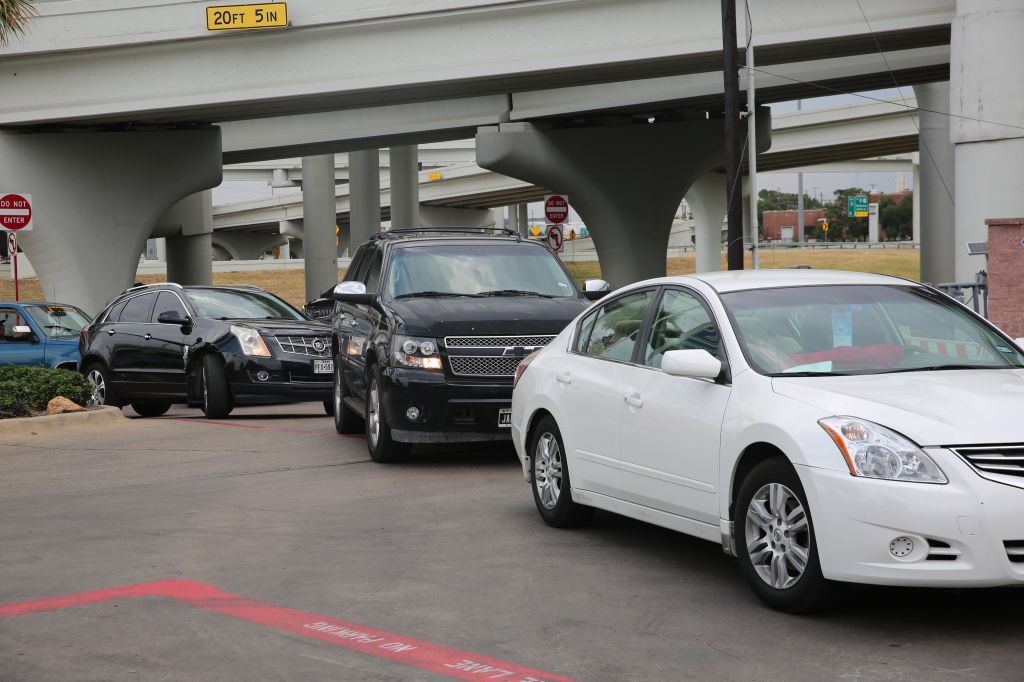
Drivers across the Dallas-Fort Worth area are feeling major pain at the pump as gas prices continue climbing to shocking levels. In some parts of the Metroplex, premium fuel prices are pushing close to $5.29 a gallon, leaving commuters frustrated and families searching for ways to cut back on everyday spending. Even local radio personality Big Bink felt the pressure this week after paying nearly $67 just to fill up his vehicle. For many North Texans, that number is becoming the new normal — and people are asking one big question: why are gas prices so high again?
Experts say several factors are driving prices upward all at once. One of the biggest reasons is the rising cost of crude oil around the world. When global oil production slows down or international tensions affect supply chains, prices at local gas stations rise almost immediately. Summer travel season is also beginning to heat up, which means demand for gasoline increases as millions of Americans hit the roads for vacations, concerts, sporting events, and family trips.
Another factor impacting prices is refinery maintenance. Texas is home to some of the largest refineries in the country, and when facilities temporarily slow production for seasonal maintenance or repairs, gasoline supplies tighten. That creates higher competition for available fuel, causing prices to spike throughout Dallas-Fort Worth and other major cities.
Inflation is also playing a role. Transportation costs, trucking expenses, and operational costs for fuel companies have all increased over the past few years. Even though drivers may blame local gas stations, much of the pricing is tied to national and international economic conditions that businesses cannot fully control.
For everyday residents, the impact is serious. Families already dealing with high grocery prices, rent increases, and rising utility bills are now being forced to spend even more money simply getting to work or school. Ride-share drivers, delivery workers, and people with long commutes are especially feeling the squeeze. Social media across Dallas has been flooded with photos of expensive gas station signs and frustrated drivers reacting to the rising costs.
Still, many Texans are trying to adapt. Some drivers are using fuel rewards programs, carpooling, combining errands, or switching to more fuel-efficient vehicles to help offset the pain at the pump. Others are simply hoping prices drop before the busy summer months fully arrive.
One thing is clear: gas prices remain one of the hottest topics in Dallas-Fort Worth right now. And when a simple trip to the gas station can cost nearly $70, people everywhere are paying attention every time those numbers rise on the pump.