Jey Uso & Cam’ron: Work or Shoot? The Timing Has Everyone Talking
Jey Uso & Cam’ron: Work or Shoot? The Timing Has Everyone Talking
- Distinguishing 'work' (scripted) from 'shoot' (unscripted) is crucial for understanding wrestling's unpredictable nature.
- Timing of the Uso-Cam'ron incident suggests strategic promotion, but the raw energy hints at genuine tension.
- Wrestling thrives on ambiguity, where real and performance overlap, keeping the audience guessing.
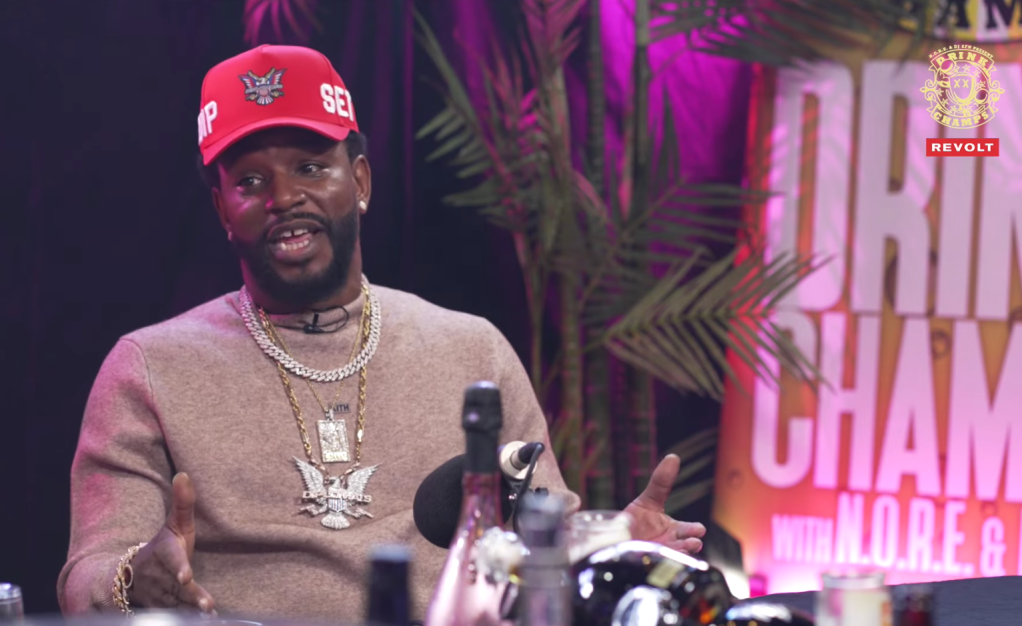
With WrestleMania 42 just hours away, the last thing you expect is an unscripted moment pulling attention off the card. Yet that’s exactly what happened when Jey Uso and Cam’ron found themselves at the center of a situation that immediately blurred the line between performance and reality. In wrestling, that line has always been thin, but moments like this force the audience to ask a question that never really goes out of style. Was this a work? Or was this a shoot?
Understanding the Language: Work vs. Shoot
To even have the conversation, you have to understand the terminology, because in professional wrestling, the words carry weight.
A work is anything that is planned, scripted, or orchestrated to create a reaction. It’s designed to look real, feel real, and pull the audience in, even though everyone involved understands the outcome beforehand. When it’s done well, the audience questions what they’re seeing, and that uncertainty becomes part of the entertainment.
A shoot, on the other hand, is the opposite. It’s real. It’s unscripted. It’s when something happens outside of the planned narrative and forces everyone involved to react in real time. Shoots aren’t controlled, and that’s exactly what makes them dangerous, both from a storytelling standpoint and from a business perspective. The most compelling moments in wrestling history have often lived somewhere in between, where reality and performance overlap just enough to keep people guessing.
The Timing Raises the Question
The biggest factor in this situation isn’t just what happened, but when it happened.
With WrestleMania right around the corner, every moment leading into the event is typically calculated. Every segment, every appearance, every interaction is meant to build anticipation and control the narrative heading into the biggest show of the year.
So when something like this surfaces now, it immediately raises suspicion. Because from a strategic standpoint, this is the exact type of moment that generates attention. It pulls eyes, sparks debate, and gets people talking beyond the usual wrestling audience. Bringing in a figure like Cam’ron, who carries his own cultural weight, only amplifies that effect. From that perspective, calling it a work makes sense. It fits the timing, it fits the objective, and it aligns with how WWE has historically blurred reality to create engagement.
But the Energy Didn’t Feel Scripted
At the same time, there is something about the energy surrounding the moment that doesn’t fully settle into the idea of a controlled situation. Jey Uso has built his current run on authenticity and emotion, and when he steps into a moment, it rarely feels forced. Cam’ron operates in a completely different space, one where presence and reaction are not filtered through performance structure. When those two types of personalities meet, the potential for tension is real, even without a script guiding it. That’s where the argument for it being a shoot gains traction. Because not everything that looks like a storyline is one. Sometimes it’s just two individuals crossing paths at the wrong moment, with neither one wired to step back.
Publicity or Coincidence?
The reality is, situations like this don’t have to be one or the other.
Wrestling has always thrived on moments that feel unscripted, even when they aren’t entirely accidental. It’s entirely possible that what started as something real was allowed to breathe just enough to become something useful from a promotional standpoint and if that’s the case, it’s effective. Because now the conversation isn’t just about WrestleMania matches. It’s about everything surrounding them. It’s about unpredictability, tension, and the idea that anything can happen, even outside the ring.
Final Take
Whether this was a work, a shoot, or something sitting right in the middle, the result is the same.
People are paying attention and in the hours leading up to WrestleMania, that might be the most important outcome of all. In wrestling, the best stories aren’t always the ones that are clearly defined. They’re the ones that leave just enough doubt to keep the audience locked in.


You May Also Like