The New Year Isn’t What You Think
New Year, Old Traditions: Why January 1st Isn’t the Original Reset
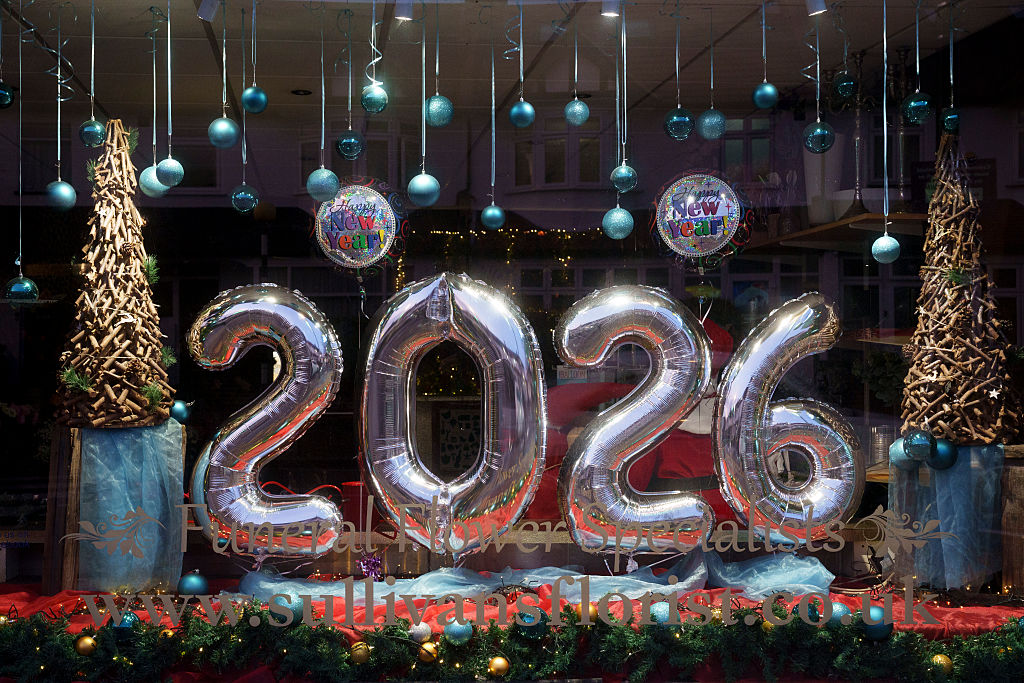
When the clock strikes midnight on January 1st, we’re told it’s a fresh start. New year, new goals, new energy. But here’s the twist — January 1st isn’t the original New Year at all.
Long before calendars, countdowns, and ball drops, humans followed nature, not numbers. For many ancient civilizations, the real New Year began in spring, when the world literally came back to life. Plants grew, animals returned, and food became abundant again. That natural reset made way more sense than starting fresh in the middle of winter.

That moment is called the spring equinox, which usually falls between March 19th and 21st. It’s when day and night are almost equal, marking the official start of spring in the Northern Hemisphere. To early cultures, this felt like the true beginning of the year — a time for renewal, rebirth, and balance.
So why January 1st? Blame the Romans. They chose it to honor Janus, the god of beginnings, endings, and doorways — often shown with two faces, one looking back and one looking forward. That’s also where the tradition of New Year’s resolutions comes from. Later, this date spread across the world through the Roman calendar and, eventually, the Gregorian calendar we still use today.
But not everyone celebrates the New Year the same way. Chinese New Year follows the moon and changes dates every year. Ethiopia celebrates New Year in September. Different calendars, same purpose — reflection, reset, and hope.
So the truth is, the New Year isn’t owned by a date.
It’s about when you decide it’s time to begin again.
The Kickback w/ Jazzi Black and DJ Wire Weekdays 9A-3P, Saturdays 12P-3 P | Follow us on IG @kickbackoffair , Follow Jazzi Black on TikTok @jazziblack