When hail damage stops being a repair and becomes a roofing decision
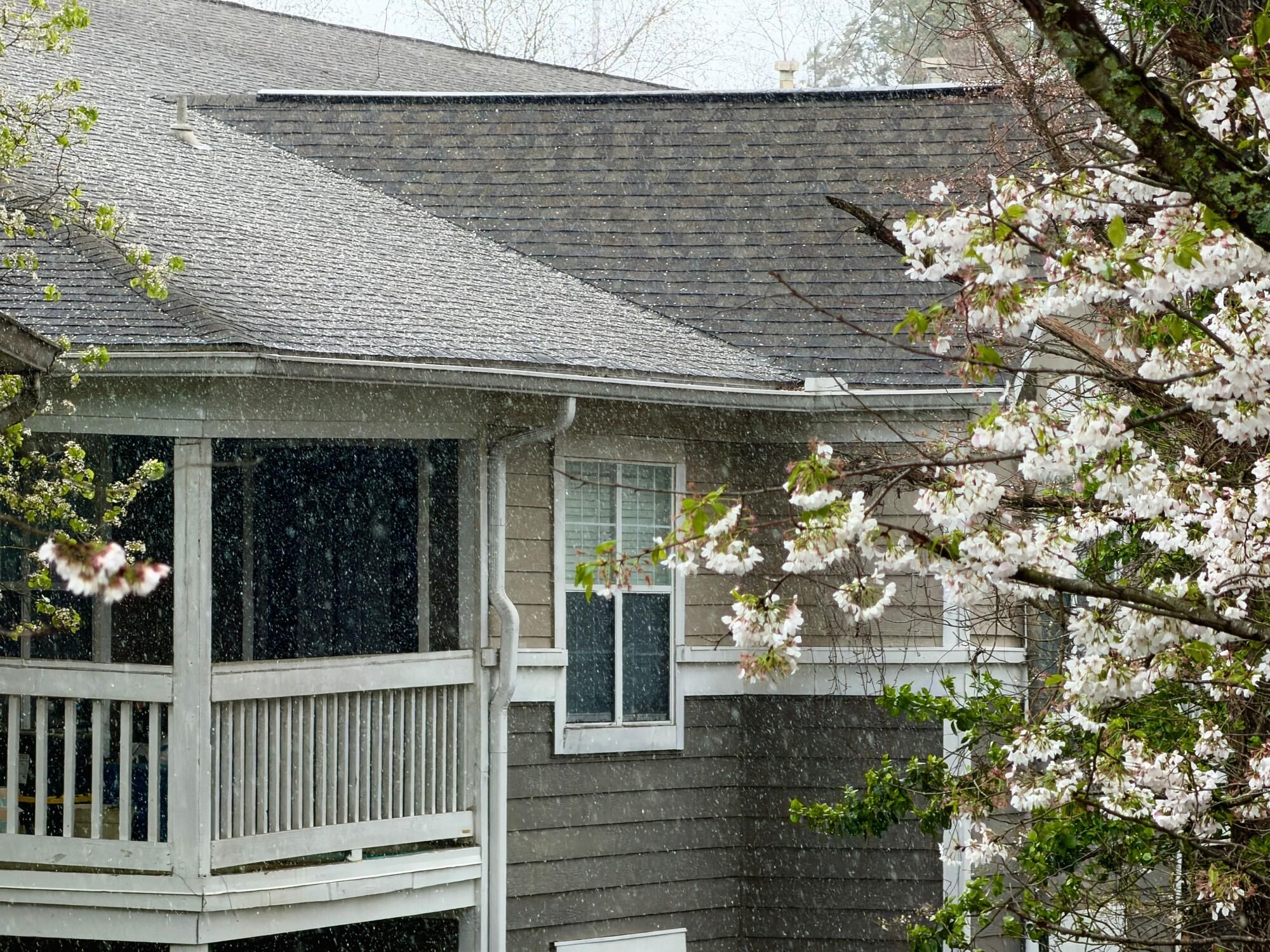
Hail damage becomes a roofing decision when the problem extends beyond a few isolated dents or damaged shingles. Roof age, the spread of the impact, leaks, weakened materials, and the cost of repeated repairs can make replacement the smarter option.
A hailstorm can leave a roof looking mostly intact from the driveway while doing real damage up close. Dented metal, bruised shingles, missing granules, cracked flashing, and small leaks may not show themselves until days or weeks later.
Hail is also an expensive problem. Insurify estimates that it causes about $1.07 billion in property damage across the U.S. each year, with Texas alone accounting for roughly $338.6 million.
This makes a proper inspection after a serious storm worth doing, especially when the roof already has some age on it.
When Is Hail Damage Repairable?
A repair still makes sense when the damage is limited to a small part of the roof and the surrounding materials are in good condition. A few cracked shingles, minor flashing damage, or isolated impact marks may be fixable without replacing an entire roof section.
In addition, a relatively new roof with no leaks, sagging, or widespread wear is a much better repair candidate than one already nearing the end of its service life.
The key is whether the damaged area can be restored without leaving the rest of the roof vulnerable.
What Signs Point Toward Roof Replacement?
Replacement starts making more sense when hail damage is widespread or exposes problems that were already developing before the storm. Watch for:
- Damage across several roof slopes instead of one isolated area
- Widespread granule loss that leaves shingles looking bare or patchy
- Cracked, split, or torn roofing materials
- Leaks in more than one part of the home
- Soft or damaged decking beneath the surface
- An older roof already showing signs of wear
- Roof repair costs that keep climbing as more damage is uncovered
Once replacement is on the table, you may also start comparing materials instead of automatically reinstalling the same roof. Metal roofing installation can be worth considering if durability, long service life, and stronger resistance to future storm damage are priorities.
An Older Roof Has Less Room for Another Storm
Hail does not hit every roof on equal terms. A newer roof may have enough life left to justify replacing a damaged section, while an older one may already be dealing with brittle shingles, worn flashing, or previous repairs.
Fixing storm damage on a roof near the end of its service life can leave you paying for another major job sooner than expected. If the roof was already showing its age before the hail arrived, replacement may solve both the new damage and the older problems underneath it.
Know When a Patch Has Run Its Course
Hail damage does not always mean you need a new roof, but repeated repairs on an aging or widely damaged system can become expensive fast. Once the damage spreads beyond a few isolated areas, the smarter move may be to stop patching and start planning for the roof you want next.
Explore our site for more helpful tips and advice.


You May Also Like





