Yes, Memorial Day is Black Too
- Black residents and allies reburied Union soldiers, transforming a site of cruelty into one of remembrance.
- The 1865 Charleston event combined burial, procession, and public commemoration, influencing later Memorial Day traditions.
- Black-led remembrance preceded the national Decoration Day framework by several years, shaping the holiday's earliest form.
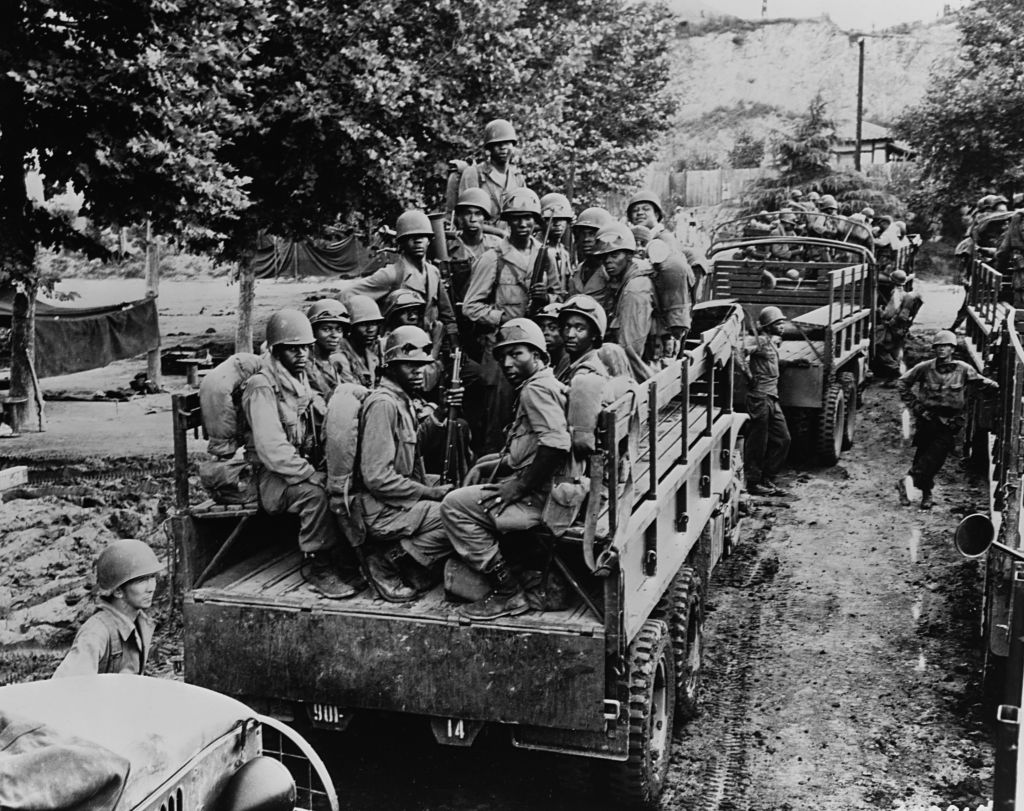
Memorial Day began as a post–Civil War day of remembrance, originally called Decoration Day, when Americans decorated the graves of fallen soldiers with flowers and flags. While the holiday was later formalized nationwide in 1868, many historians point to an earlier and deeply important observance in Charleston, South Carolina, in 1865, where newly freed Black Americans and included Black schoolchildren, women, and Union soldiers who honored other Union soldiers who had died in Confederate captivity.
That Charleston commemoration is especially significant because it was led largely by Black residents, including formerly enslaved people, and it involved reburial and honoring of the dead with dignity, procession, song, prayer, and flowers. In other words, before Memorial Day became an official national holiday, Black Americans were already shaping the memory culture that helped define it.
Black Soldiers and Decoration Day
Black soldiers and Black communities were central to the early meaning of Decoration Day. In Charleston, the people who organized the 1865 observance also took time to rebury the Union dead in proper graves, build a fence around the burial ground, and mark the site as a place of honor rather than neglect. The event included a large public procession, floral tributes, patriotic songs, and participation by Black schoolchildren, women, and Union troops.
This matters because the holiday was not only about mourning; it was also about claiming full citizenship, respect, and public memory for those who fought against slavery. The Black-led Charleston observance stands as one of the earliest known Memorial Day-style ceremonies in the United States.
Reburying the Dead
One of the most powerful parts of the Charleston story is the reburial itself. Black residents and allies exhumed and reinterred Union soldiers who had been buried in a mass grave at the old racetrack prison site, giving them individual graves and a more honorable resting place. This act transformed the site from one of cruelty and neglect into one of remembrance and ceremony.
That reburial was not a minor detail; it was the core of the observance. It symbolized a refusal to let the dead remain anonymous, and it helped establish the tradition of decorating soldiers’ graves that later became Memorial Day. The Charleston event is often remembered as a foundational moment because it combined burial, procession, and public commemoration in a way later Memorial Day traditions echoed.
How Long Before Official Recognition
If you’re asking how long Black Americans were actively celebrating before Memorial Day was officially recognized, the answer is about three years before the federal holiday was formalized in 1868. The Charleston observance took place on May 1, 1865, while General John A. Logan’s General Order No. 11 in 1868 helped establish Decoration Day as an annual national practice. Memorial Day later became the name widely used for the holiday, and it was officially observed on the last Monday in May starting in 1971.
So the timeline is simple: Black Americans were honoring Union dead in 1865, and the national Decoration Day framework came in 1868. That means Black-led remembrance preceded official national recognition by several years and helped shape the holiday’s earliest form. By the time Memorial Day became a national holiday, the custom of honoring the dead had already been shaped by Black remembrance, sacrifice, and community memory. That history deserves a central place in how we understand the holiday today.


You May Also Like