How the Iran War Could Affect Your Wallet in North Texas
You may be hearing a lot about the war in Iran and wondering, “What does that have to do with me?” The short answer: it mostly affects your money—not your safety.
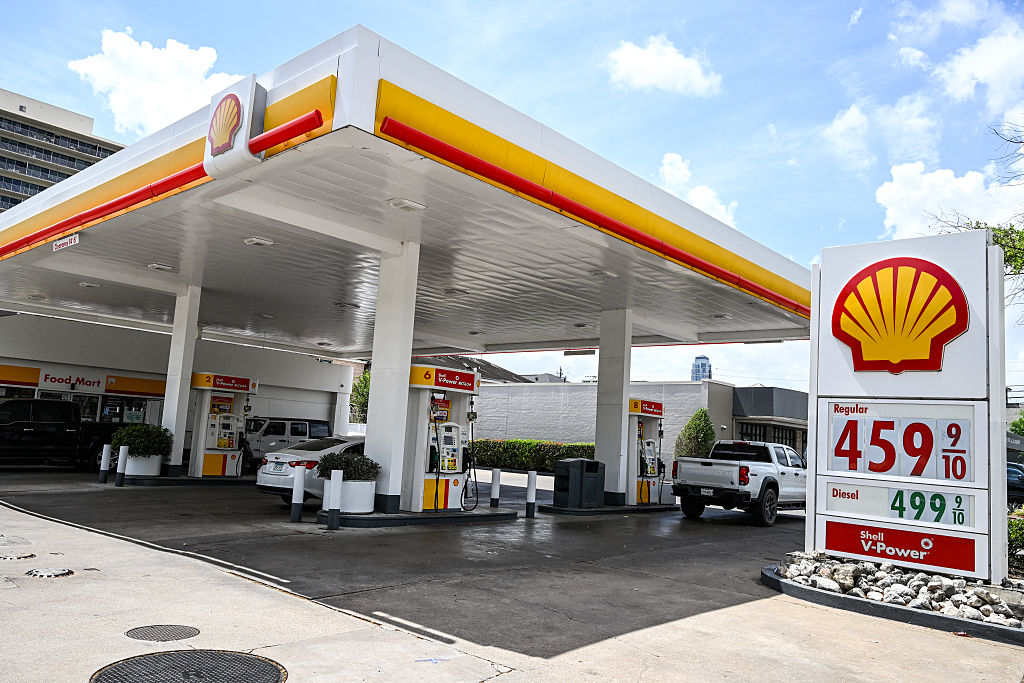
Right now, the biggest impact is at the gas pump. Iran is in a region that supplies a large portion of the world’s oil. When there’s conflict, oil prices often go up because supply can be uncertain. That’s why gas prices in North Texas have been rising and could continue to go up if the conflict lasts longer.
When gas prices rise, other prices can follow. It costs more to transport food, clothes, and everyday items, so businesses may raise prices to keep up. This is what people mean when they talk about “inflation.”
You might also notice higher interest rates sticking around a little longer. That can affect things like car loans, credit cards, and mortgages—making it a bit more expensive to borrow money.
The good news? Experts say this isn’t expected to cause a major economic crisis in the U.S. Most believe the economy will slow down slightly, but not collapse. People are still spending money, working, and keeping things moving.
For North Texas specifically, there’s a small upside: local energy companies can benefit when oil prices go up, which helps support jobs in the region.
So what should you do? Keep it simple—budget a little extra for gas, be mindful of spending, and avoid panic. If the conflict eases, prices could settle back down.
This situation may pinch your wallet, but it’s something most families can prepare for—not fear.
Sources:
The Kickback w/ Jazzi Black and DJ Wire Weekdays 9A-3P, Saturdays 12P-3 P | Follow us on IG @kickbackoffair , Follow Jazzi Black on TikTok @jazziblack