WWE SmackDown: Pressure Mounts Before WrestleMania 42
- Subtle character interactions and confrontations take priority over traditional match announcements.
- Rivalries like Cody Rhodes vs. Randy Orton and Drew McIntyre vs. Jacob Fatu create a sense of personal intensity.
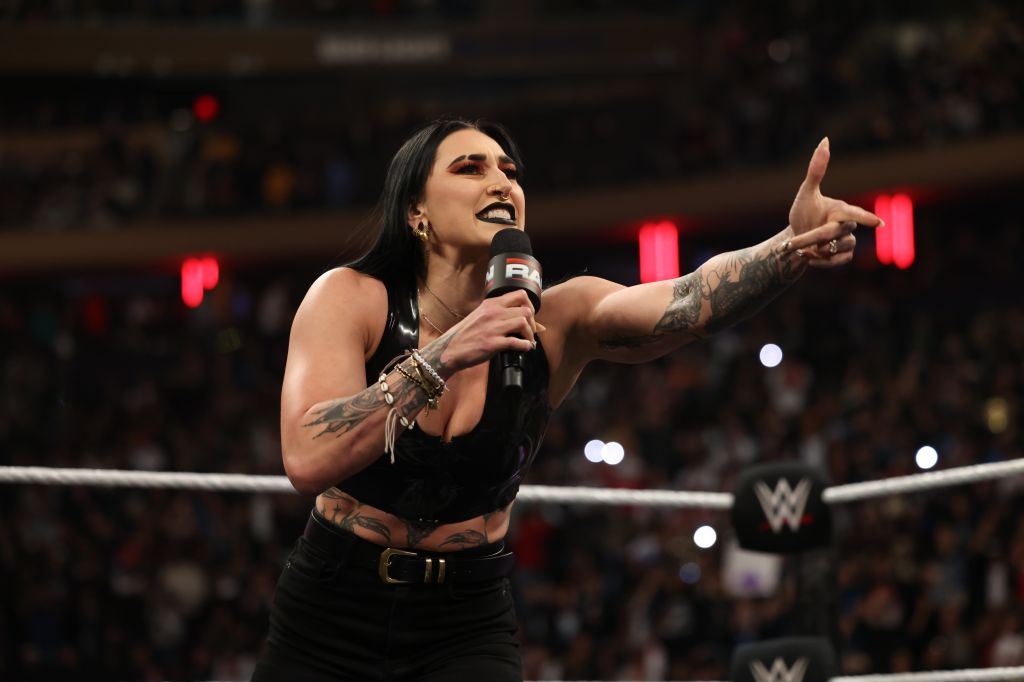
- Rhea Ripley faces a strategic challenge from Jade Cargill's alliance, shifting the dynamic from pure power to calculated control.
WWE UNIVERSE – There is a different type of weight surrounding this week’s episode of WWE SmackDown, and it has very little to do with what has been officially announced. We are now within striking distance of WrestleMania 42, a moment that traditionally represents the culmination of months of storytelling, positioning, and calculated escalation. Yet somehow, heading into this particular Friday night, there are only a few clearly defined matches anchoring the show. That absence does not signal a lack of direction. If anything, it suggests that the company is leaning fully into something more nuanced—control over timing, control over perception, and ultimately control over how anticipations built. SmackDown is set to take place in St. Louis, a city that naturally carries its own energy when it comes to wrestling history, and that environment alone introduces a layer of unpredictability. What we are likely to see is not a card driven by competition, but a show driven by confrontation. The type of episode where conversations carry more weight than collisions, and where a single segment can do more for WrestleMania than a full match ever could.
Cody Rhodes and Randy Orton: Positioning the Main Event Without Saying It
The dynamic between Cody Rhodes and Randy Orton continues to evolve in a way that feels increasingly intentional. Orton returning to his hometown introduces a psychological advantage that cannot be ignored, while Cody remains positioned as the central figure carrying both expectation and scrutiny. What makes this situation particularly compelling is the subtle layering that has been introduced through the idea that Orton may not be operating alone, at least from a mental standpoint. The suggestion of outside influence—whether real or perceived—adds a level of tension that goes beyond physical competition. It creates uncertainty, and uncertainty is one of the most effective tools in building anticipation. At this point, the story no longer relies on who is stronger or more accomplished. It is centered on who is more composed under pressure, and more importantly, who is truly in control of the narrative as WrestleMania approaches.
Drew McIntyre and Jacob Fatu: When Tension Feels Less Scripted
The developing situation between Drew McIntyre and Jacob Fatu carries a noticeably different tone. There is a rawness to their interactions that separates it from more traditional rivalries, as if the structure of the storyline is simply containing something that could easily spill beyond it. That distinction matters, especially this close to WrestleMania. When a rivalry begins to feel less performative and more personal, the audience responds differently. The stakes feel elevated, not because of titles or stipulations, but because of the underlying intensity between the individuals involved. This is the type of energy that does not require overproduction. It simply needs space to breathe, and SmackDown appears to be providing exactly that.
Rhea Ripley Faces a Different Kind of Pressure
On the women’s side, Rhea Ripley is no longer dealing with a straightforward situation. What initially looked like a one-on-one path has now evolved into something far more layered, with Jade Cargill stepping into position—and not stepping alone. Jade now has the backing of B-Fab and Michin, which immediately shifts the dynamic from competition to strategy. This is no longer just about physical dominance inside the ring. It becomes about numbers, timing, and controlling space before the bell even rings. Rhea has built her reputation on presence and control, often overwhelming opponents before they have the opportunity to establish any real footing. But this situation introduces variables that can’t be handled the same way. When alliances come into play, the margin for error narrows, and even the most dominant performers are forced to adjust. What makes this compelling heading into WrestleMania is the contrast in approach. Rhea represents power and certainty, while Jade, now aligned with B-Fab and Michin, brings a more calculated, collective presence that can disrupt that control at any moment. At this level, it is rarely about who is stronger. It’s about who is better prepared for what they cannot predict.
Culture, Visibility, and WWE’s Broader Play
There are also indications that WWE continues to explore ways to extend beyond the traditional boundaries of wrestling by incorporating figures from music and broader pop culture. That approach is not new, but its timing is significant. When done correctly, it enhances visibility and brings additional attention to key moments. In a market where attention is currency, aligning with cultural figures can amplify the reach of a segment or storyline in ways that standard programming cannot. It is a strategic move that reflects an understanding of how modern audiences engage with content.
The Strategy Behind the Silence
What stands out most about this week’s SmackDown is not what has been confirmed, but what has been withheld. That choice speaks to a level of confidence in the material that is being developed behind the scenes. By not overloading the show with matches, WWE is effectively forcing the audience to focus on the details. The conversations, the confrontations, and the subtle shifts in character dynamics become the primary drivers of engagement. It is a calculated risk. If executed properly, it elevates WrestleMania by ensuring that every interaction leading up to it feels intentional. If it misses, it risks leaving the audience feeling like something was held back unnecessarily.
Final Perspective
At this stage, SmackDown is less about immediate payoff and more about long-term positioning. It is about creating the kind of tension that does not resolve itself in a single night, but instead carries forward into the biggest event of the year. That approach requires patience, both from the performers and from the audience. It also requires precision, because every moment now contributes to how WrestleMania will ultimately be received. The matches will come, now the question is whether the moments leading up to them will be strong enough to make them matter.
Written by JuugMasterJay
Catch me inside The Red Room Saturdays 7PM on 97.9 The Beat
IG: @JuugMasterJay