How Communities Can Stay Aware and Safe
- Renee Nicole Good, a 37-year-old U.S. citizen, was fatally shot by an ICE agent during an immigration enforcement operation
- The incident has drawn widespread attention and strong reactions from local and national leaders, with ongoing investigations
- U.S. citizens should know their rights, document interactions safely, and connect with local legal resources for guidance
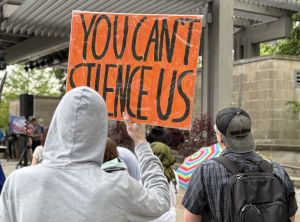
Source: Telemundo Columbus/Elvia Skeens / Telemundo Columbus/Elvia Skeens
— And What Happened With the Shooting of Renee Nicole Good
On January 7, 2026, a U.S. citizen named Renee Nicole Good, age 37, was fatally shot by an Immigration and Customs Enforcement (ICE) agent
in Minneapolis, Minnesota during an immigration enforcement operation.
The situation has drawn widespread attention and strong reactions from local and national leaders, and communities across the country
are seeking clarity, safety guidance, and resources about what happened and what it means for public safety. [Wikipedia]
Who Was Renee Nicole Good?
Good was a 37-year-old U.S. citizen who lived in Minneapolis with her partner and had a young child.
Family members and neighbors describe her as a caring person who had no known history of involvement in law enforcement confrontations.
Her mother said she was “probably terrified” at the time of the incident. [Anadolu Ajansı]
What Happened
According to multiple news reports and video shared publicly, the shooting occurred during a large federal immigration operation
in the Minneapolis–Saint Paul area, involving hundreds of ICE and Department of Homeland Security agents. Local officials have
described this operation as unprecedented in scale. [Anadolu Ajansı]


Video footage shows federal officers approaching Good’s vehicle as it was stopped in the roadway. Conflicting commands were reportedly given:
one officer yelled for the driver to exit, while another encouraged her to drive away. When the vehicle began to move, an ICE agent
fired multiple shots, hitting Good. She was taken to a hospital where she later died. [Wikipedia]
Federal officials have characterized the action as officers acting in self-defense, claiming Good’s vehicle struck or nearly struck an agent.
Local leaders, including the Minneapolis mayor and Minnesota governor, have disputed that account and condemned the shooting. Investigations
are ongoing and may include both federal and local reviews. [Reuters]
National and Local Responses
The incident has sparked vigils, protests, and public statements from officials on both sides of the political spectrum.
Some city and state leaders have protested aggressively against the presence of ICE agents in their communities, while federal
authorities have defended enforcement activity and framed it as part of broader immigration policy efforts. [The Guardian]
As of this writing, legal investigations into the circumstances of the shooting are underway, and both federal and local authorities
may play a role in determining accountability. [Wikipedia]
Safety and Awareness Guidance
Regardless of views on policy, it’s important for U.S. citizens — especially in communities experiencing increased federal enforcement —
to be informed and prepared. Here are general, nonpolitical safety and legal practices:
1. Know Your Rights
- U.S. citizens have constitutional protections during traffic stops and law enforcement interactions.
- It’s generally safest to follow lawful orders (e.g., stopping your vehicle or moving to a safe place) and avoid actions that could
be misinterpreted as threatening.
- If unsure of a lawful request, calmly ask for clarification; avoid sudden movements that could be perceived as dangerous.
2. Document Interactions When Safe
- Video recording law enforcement is legal in most contexts, provided you remain at a safe distance and do not interfere with officers’ work.
- If you record, announce clearly that you are recording and where you are, and avoid approaching officers.
3. Stay Informed Through Trusted Sources
- Follow local news, official police or city alerts, and updates from civil rights organizations for verified developments.
- Avoid sharing unverified videos or claims that could spread misinformation or heighten panic.
4. Connect With Local Legal Resources
- Know who to contact for legal advice if you are approached by law enforcement. Community legal aid organizations
often provide free or low-cost support.
- Immigrant rights groups and civil liberties organizations may offer guidance on rights and protections specific to your situation.
5. Support Community Safety Efforts
- Look out for neighbors, especially those who may feel vulnerable or unsure how to navigate law enforcement interactions.
- Participate in or stay aware of community safety networks, neighborhood watch groups, and local support organizations.
Resources for Texans and DFW Residents
Even if events occurred out of state, heightened enforcement activity can affect many communities. In Dallas–Fort Worth and across Texas,
shared resources include:
- ACLU of Texas: Know your rights information and legal support for civil liberties (https://www.aclutx.org/)
- Texas Legal Services Center: Free or low-cost legal help (https://www.tlsc.org/)
- Local faith-based and immigrant support groups: Many offer community safety workshops and know-your-rights trainings.
Final Note
The death of Renee Nicole Good has sparked deep concern, debate, and calls for accountability. At the same time, it highlights
why clear, calm public information and safety preparedness are essential for all communities.
Staying informed, understanding your rights, and investing in neighbor support networks can help individuals and communities navigate
tense situations with greater awareness and care.
This write-up is based on the most current reporting and investigations as of this publication, and further information may
continue to emerge as inquiries proceed. [AP News]