Stopping distance matters when sharing the road with trucks
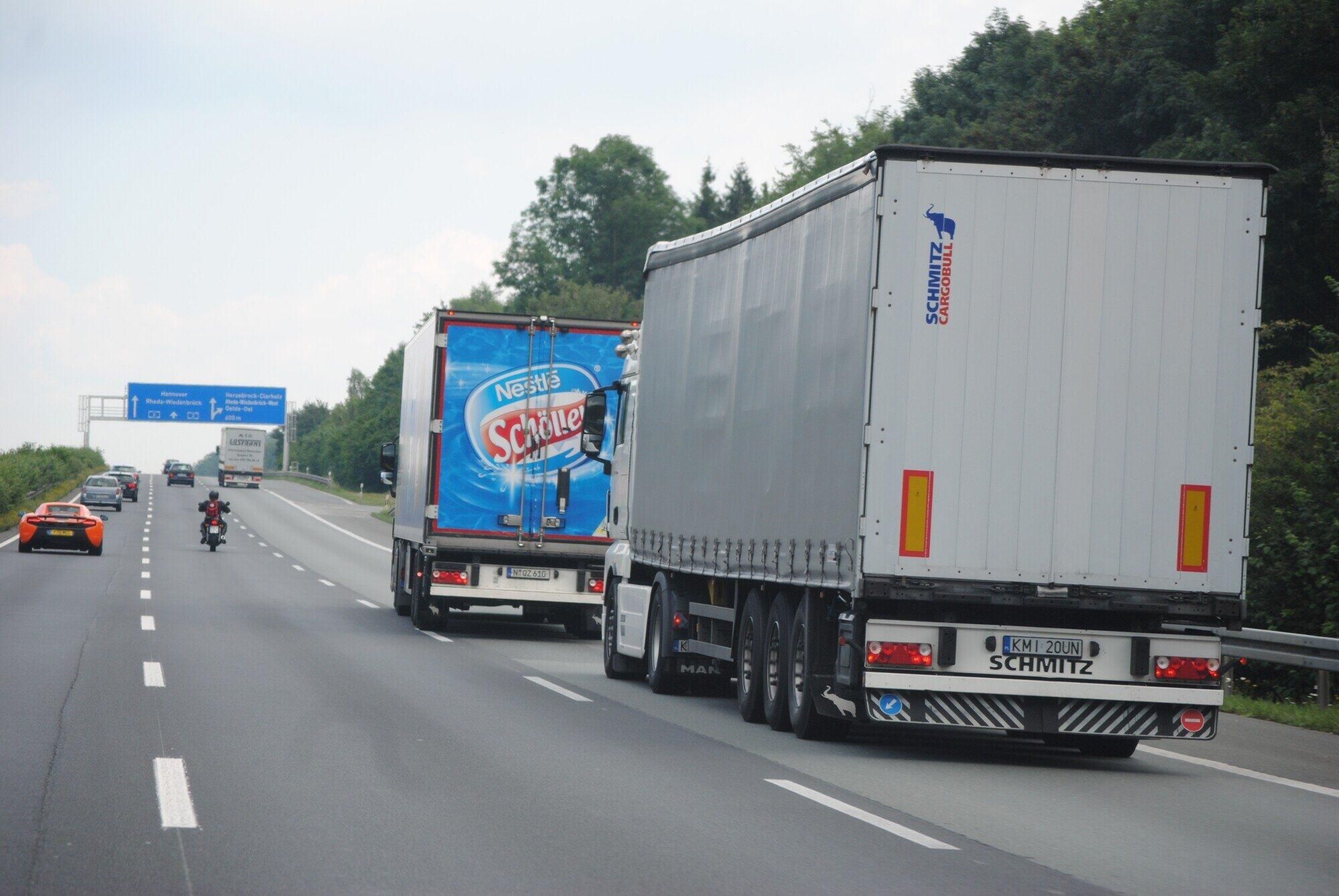
Stopping distance around trucks matters because cutting in front of a truck increases the risk of an accident. They will not be able to stop in time and end up rear-ending you. An 80,000-pound tractor-trailer truck hitting you from behind can cause a lot of damage to your vehicle and your health.
Are you in the habit of cutting off trucks when driving on highways? This might change your mind: A fully loaded tractor-trailer truck can weigh up to 80,000 pounds and can take 525 feet to stop fully when traveling at 65 miles per hour. That’s almost the length of two full football fields.
This large truck braking distance is why it’s extremely important to give trucks a lot of space when stopping distances are concerned. If you can do this, you will prevent a lot of accidents and incidents associated with trucks on the highways and roads of America.
Cutting In Front Of Trucks Increases Risk
One common driving behavior that creates danger is merging too closely in front of a truck.
Drivers sometimes move into a truck’s lane without leaving enough space for the truck driver to react if traffic slows ahead. Because trucks require longer stopping distances, sudden lane changes can increase the risk of rear-end collisions.
Allowing several car lengths of space after passing a truck gives both drivers additional time to respond to changing conditions. All of this requires you to be more aware of the roads than you probably are right now. Avoid distracted driving where you are fiddling with the radio or talking with the passengers in your vehicle.
Stay alert, especially when you are driving near trucks. Road safety begins here.
Weather Makes Truck Stopping Distances Longer
Rain, snow, ice, and wet pavement can significantly affect braking performance.
Reduced tire traction increases the distance required for both trucks and passenger vehicles to stop safely. In poor weather, truck drivers often reduce speed and increase following distance to compensate for these conditions.
Passenger vehicle drivers should also allow extra space around trucks during adverse weather. If you have been in an accident with a truck, consider Colorado Springs trucking lawyers to help you with your injury claim.
Downhill Roads Require Additional Caution
Steep grades present additional challenges for heavy vehicles.
Truck drivers often use lower gears, engine braking systems, and reduced speeds to maintain control while traveling downhill. Passenger vehicles that follow too closely or cut in front of trucks on descending roadways may create dangerous situations.
Patience and additional following distance are especially important in these areas. Do not let road rage get the better of you. It’s better to get to your destination a bit later than expected than not at all.
Stopping Distance Is Larger With Trucks
Stopping safely with trucks around means that you have to give them a lot more space than you would any other vehicle. It’s important to keep this larger stopping distance in mind and stay alert on the roads whenever driving near trucks.
Please check out related articles on our website.


You May Also Like