Dallas Prepares for $205 Million in Water Bonds
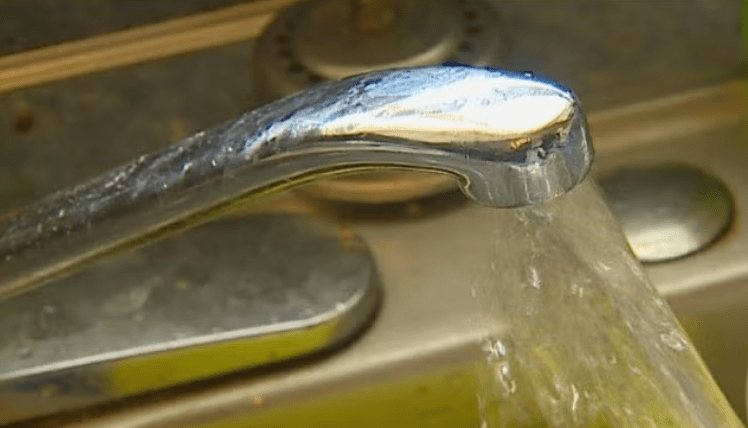
Dallas is moving ahead with a major water infrastructure financing plan centered on about $205 million in water-related bonds. The goal is to fund essential projects now while spreading repayment over time, which is a common way cities finance large utility improvements without forcing residents or the city to pay the full amount upfront.
What’s Happening
Large water and sewer projects are usually financed through revenue bonds or similar public financing tools, which allow a city or utility system to borrow money and repay it gradually through system revenues rather than immediate one-time payments. In Dallas, this kind of approach helps support long-term infrastructure needs while keeping the cost structure tied to the utility system itself.
This matters because water and sewer systems are expensive to build, repair, and upgrade, and cities often need to replace aging lines, improve treatment capacity, and maintain service reliability. Financing through bonds lets Dallas start work sooner instead of waiting until enough cash is collected to cover the full project cost.
The broader Texas water financing model also shows how this works in practice. The Texas Water Development Board has used bond sales to finance local water projects across the state, with repayment savings and project funding built into the bond structure. That same basic principle helps explain how a city can move forward with major utility work without paying the entire amount up front.
For residents, this usually means the city spreads costs over many years through utility revenues, fees, or system-supported debt service rather than requiring an immediate lump-sum payment. Dallas Water Utilities also operates as a city utility system with billing and payment infrastructure, reinforcing that utility financing is managed through ongoing system operations rather than one-time direct payment.
Lets Prepare!
Dallas’s $205 million water bond plan reflects a standard public-finance strategy: build critical water and sewer infrastructure now, then repay the debt over time through the utility system. For cities, this approach helps balance urgent infrastructure needs with manageable long-term financing.
Reference Websites


You May Also Like





