Beauty Is Power: How Black Women Redefined Beauty on Their Own Terms

- Black women have used beauty to reclaim power and resist Eurocentric standards imposed during enslavement.
- Hair is a powerful form of cultural expression, with styles like braids and afros symbolizing resilience and identity.
- Darker skin tones have been marginalized, but models like Alek Wek have helped expand narrow beauty standards.
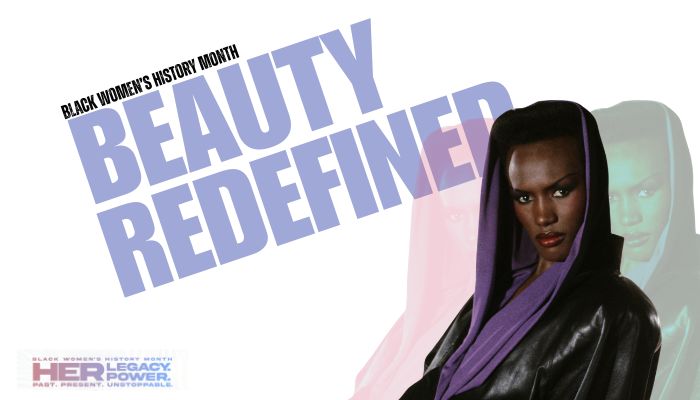
While Black women have always been at the forefront of movements, innovation, and artistry, their stories have often been overlooked or minimized. This month creates space to honor their legacy across generations while also recognizing how they continue to shape culture in real time. One of the most powerful areas of that influence is beauty, not as a trend, but as a form of identity, resistance, and self-definition.
For Black women, beauty has never been just about appearance. It has always been deeply political. From the earliest days of enslavement, where Eurocentric standards were imposed to strip away identity, to the present day where those same standards are constantly challenged, Black women have used their hair, skin, and style to reclaim power. The refusal to conform has always been a statement. Choosing to wear natural hair, embracing darker skin tones, or redefining what is considered high fashion are all acts of self expression rooted in both pride and resistance.
Hair has long been one of the most visible and powerful forms of expression for Black women. Styles like braids, locs, and afros are not just aesthetic choices but cultural markers tied to heritage, community, and history. During the Civil Rights Movement, the afro became a symbol of Black pride and liberation. Today, that same spirit continues as Black women wear their hair in ways that celebrate texture and versatility despite ongoing workplace and societal biases. Hair tells a story, and for Black women, that story is one of resilience, creativity, and unapologetic identity.
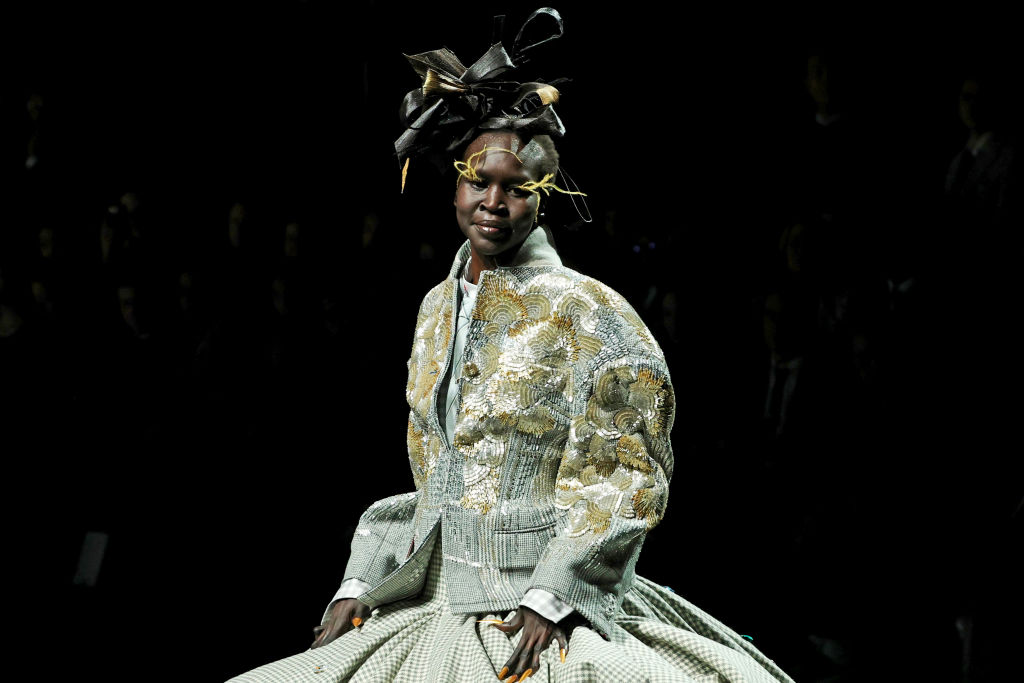
Skin color has also played a complex role in how beauty is perceived and valued. Colorism has historically elevated lighter skin while marginalizing darker tones, but Black women have continuously challenged that narrative. Models like Alek Wek broke barriers in the fashion industry, proudly representing deep, rich skin tones on global runways and in major campaigns. Her presence shifted conversations around beauty and forced industries to expand their narrow definitions. In doing so, she helped create space for darker skinned women to be seen, celebrated, and recognized as the standard, not the exception.
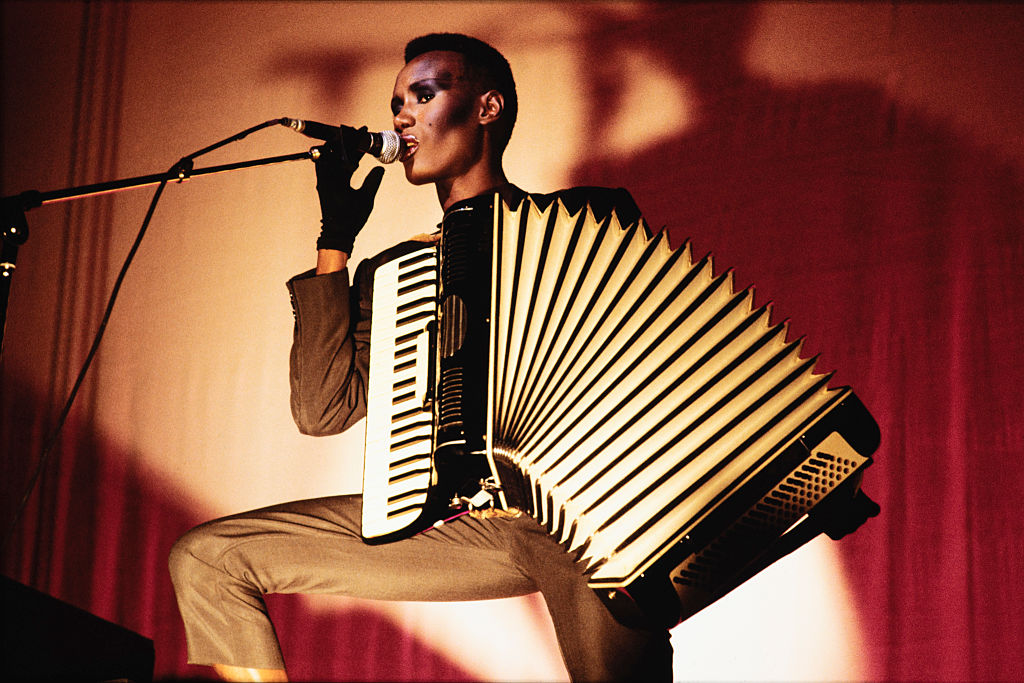
Boldness in beauty has also been embodied through hair and personal style, with icons like Grace Jones redefining what it means to stand out. Known for her striking flat top hairstyle and androgynous aesthetic, Jones challenged traditional ideas of femininity and beauty. She turned her look into a statement of power, artistry, and control, proving that beauty does not have to fit within soft or conventional lines. Her influence can still be seen today in fashion, music, and editorial spaces that embrace individuality and fearless expression.
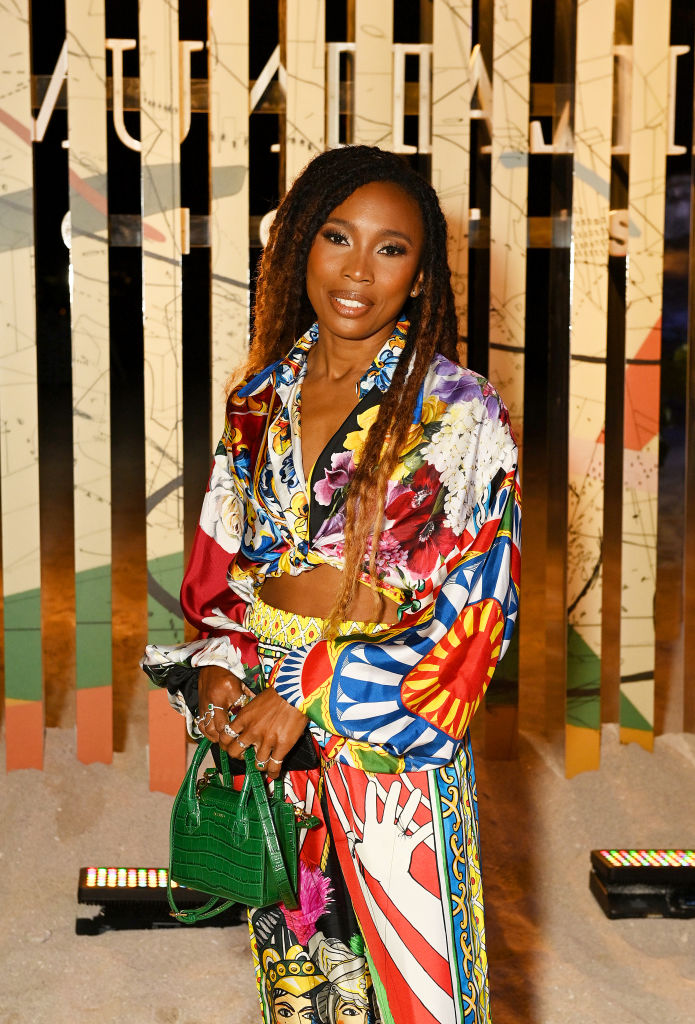
Fashion, too, has been a powerful tool for Black women to shape culture and assert identity. Designers and icons like Zerina Akers have redefined modern style by centering Black culture, storytelling, and bold visual identity in high fashion. Known for her work with global artists and her ability to merge luxury with cultural authenticity, Akers has helped push fashion forward while ensuring Black women remain at the center of the narrative. From statement looks to cultural symbolism, Black women continue to influence the way the world dresses, often without credit, but never without impact. Beauty, in every form, remains a declaration that Black women define themselves on their own terms.
Beauty Is Power: How Black Women Redefined Beauty on Their Own Terms was originally published on blackamericaweb.com