En El Barrio Spotlight: The Story of Wael Tarabishi
- Wael's life was defined by resilience, love, and the bond between a father and son.
- Separation from his father due to immigration detention contributed to Wael's decline and death.
- The community is urged to provide financial, practical, and advocacy support for the Tarabishi family.
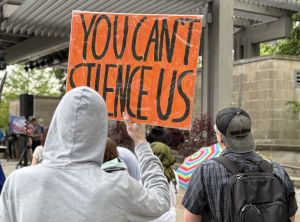
Source: Telemundo Columbus/Elvia Skeens / Telemundo Columbus/Elvia Skeens
Honoring Wael Tarabishi: A Community Call for Compassion & Support
The story of Wael Tarabishi and his family has deeply moved the Dallas–Fort Worth community and beyond. It is a story rooted in love, caregiving, and the human cost of separation — one that continues to spark conversations about compassion, disability rights, and family unity.
The Beginning of Wael’s Journey
Wael Tarabishi was a 30-year-old American citizen from Arlington, Texas, born with Pompe disease, a rare genetic disorder that causes progressive muscle weakness and affects the ability to breathe, move, and swallow. Over the course of his life, Wael underwent dozens of medical procedures and relied on specialized, round-the-clock care to survive.
That care was provided almost entirely by his father, Maher Tarabishi, a Jordanian national who came to the United States in 1994. Maher was not only Wael’s father — he was his primary caregiver, advocate, and lifeline. For years, Maher remained in the U.S. under supervised immigration status and consistently complied with required annual check-ins with federal immigration authorities.
Doctors and family members have repeatedly emphasized that Wael’s survival depended on his father’s intimate knowledge of his medical needs, routines, and emergency care.
Source: NBC 5 Dallas–Fort Worth
What Happened
On October 28, 2025, Maher Tarabishi was detained by U.S. Immigration and Customs Enforcement (ICE) during a routine check-in in Dallas. The detention came without warning to the family. ICE later cited alleged connections to a foreign organization — claims that Maher’s attorneys and family strongly dispute.
With his father suddenly gone, Wael’s health declined rapidly. He was hospitalized multiple times with severe infections, respiratory complications, and sepsis. Family members and advocates urgently requested Maher’s temporary humanitarian release so he could care for his son and be by his side.
Those requests were denied.
The Current State
Wael Tarabishi passed away on January 23, 2026, due to complications from Pompe disease. At the time of his death, his father was still in ICE custody.
In a final heartbreak, Maher was also denied permission to attend his son’s funeral. Family members have shared that Wael’s final wish was to see his father one last time — a wish that went unfulfilled.
The family and many community advocates believe the separation significantly contributed to Wael’s decline and death, sparking widespread grief, outrage, and renewed calls for humane consideration in immigration enforcement decisions involving caregivers and disabled dependents.
How the DFW Community Can Support the Tarabishi Family
In the wake of this loss, the Tarabishi family continues to face emotional, legal, and financial challenges. The Dallas–Fort Worth community can play a meaningful role in showing up with compassion and solidarity.
- Contribute Financially: The family has launched a fundraiser to help cover medical bills, funeral costs, housing, and daily living expenses.
- Raise Awareness: Share Wael and Maher’s story through social media, local newsletters, faith groups, and community forums to ensure their experience is not forgotten.
- Partner With Local Advocacy Groups: Disability rights organizations, immigrant advocacy groups, and faith-based coalitions across DFW can help amplify calls for compassionate policy considerations.
- Community Vigils & Memorials: Organizing peaceful vigils, prayer circles, or memorial gatherings allows the community to honor Wael’s life and stand in solidarity with the family.
- Advocate for Humane Policies: Residents can contact local representatives to encourage immigration policies that prioritize family unity, disability care, and humanitarian discretion.
- Offer Practical Support: Meals, transportation assistance, or simply checking in can provide meaningful comfort during a time of grief.
A Moment for Reflection
Wael Tarabishi’s life was defined by resilience, love, and the bond between a father and son. His story has become a powerful reminder that behind every policy decision are real families, real caregivers, and real lives.
As the DFW community reflects on this loss, many are asking how compassion, care, and humanity can be centered more fully — not only in moments of tragedy, but in the systems that shape everyday life.