Should Dallas Offer Tax Breaks to Land New Beverage Jobs?
- Dallas weighs tax breaks to attract $70M beverage investment and 166 jobs
- Incentives can boost economy, but may just subsidize companies planning to come anyway
- Dallas should demand clear public benefits, wage standards, and return on investment
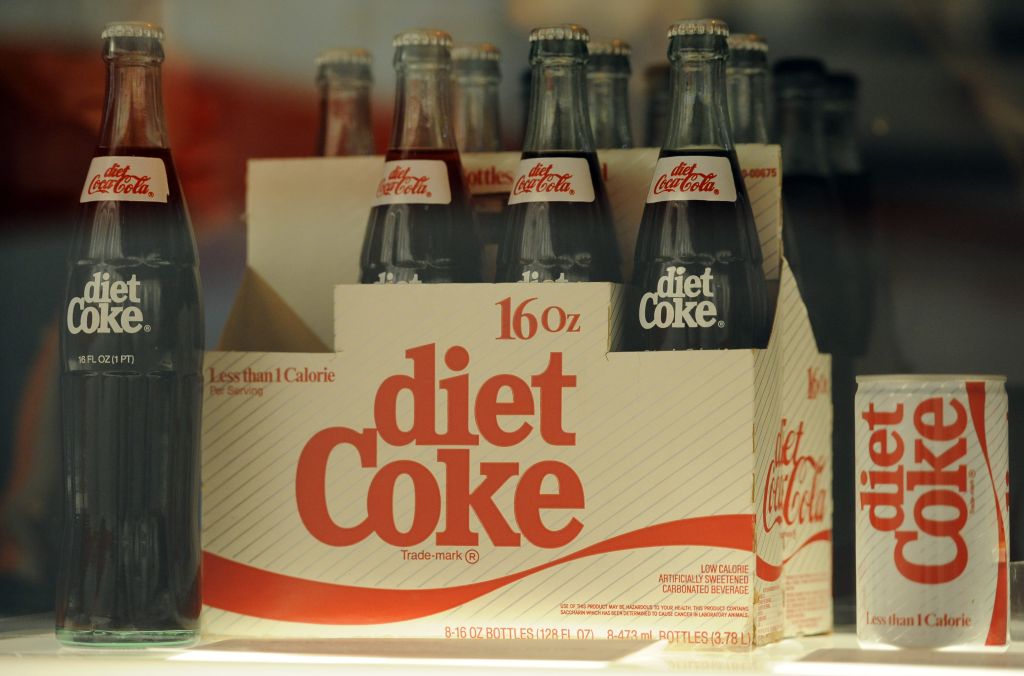
Dallas may be weighing a familiar economic development question: should the city offer tax breaks to attract a new beverage company promising a $70 million investment and as many as 166 jobs? The issue is bigger than one project, because it raises the broader debate over whether incentives create real long-term growth or simply give public money to companies that would have come anyway.
Who’s Bringing the Jobs?
A recent development report says Coca-Cola Southwest Beverages plans to invest $70 million to build out about 170,000 square feet in Fort Worth, with the project expected to support new jobs and expand regional beverage manufacturing activity. Another local report on beverage expansion in North Texas also showed how companies in this sector can bring large-scale capital investment and significant employment growth to the region.
That is why Dallas incentive policy matters. The City of Dallas says negotiated incentives such as tax abatements, grants, or loans may be offered to qualified projects, but only if they serve a public purpose like creating living-wage jobs or expanding the city tax base. Dallas also says qualifying projects generally must meet investment and job thresholds, including creating permanent full-time jobs and paying living wages for workers in Dallas County.
Supporters of tax breaks argue that incentives can help Dallas compete with other cities, especially for capital-heavy projects that bring construction, manufacturing, logistics, and support jobs. In that view, a well-structured deal can increase property values, widen the tax base over time, and anchor a company that may generate indirect spending at suppliers, restaurants, and service businesses.
Critics argue that tax breaks can become expensive giveaways if the company was likely to choose the region anyway. They also point out that public incentives should be measured against what the city gives up in lost tax revenue, and that city leaders should demand clear performance requirements, clawback provisions, and wage standards before approving any deal.
For Dallas, the key question is not simply whether jobs are being created, but whether the incentive package produces net value for residents. If the project is truly competitive, local leaders should ask how many jobs are new, how long they will last, what wages will be paid, and whether the investment would still happen without public support.
So, Tax Breaks or Nah?
Dallas should only give tax breaks if the project produces measurable public benefits, strong wage standards, and a clear return on investment. A $70 million beverage project with 166 jobs could be worth supporting, but only if city leaders can show the deal adds more value than it costs
Reference websites


You May Also Like