Why some homeowners regret going solar after signing contracts
Many homeowners have second thoughts after signing solar power contracts. There are many reasons for it, from a lack of space to not qualifying for solar incentives.
Does this describe your situation? You’re not alone: with the industry growing by 6% a year (source: Fortune Business Insights), more people regret going solar as well. Fortunately, there may be a way to get out of your contract much earlier.
Why Are People Getting Rid of Solar Panels?
First things first: when are home solar systems not worth it? Here are three common situations where terminating your solar contract makes sense.
1. Unsuitable Roof
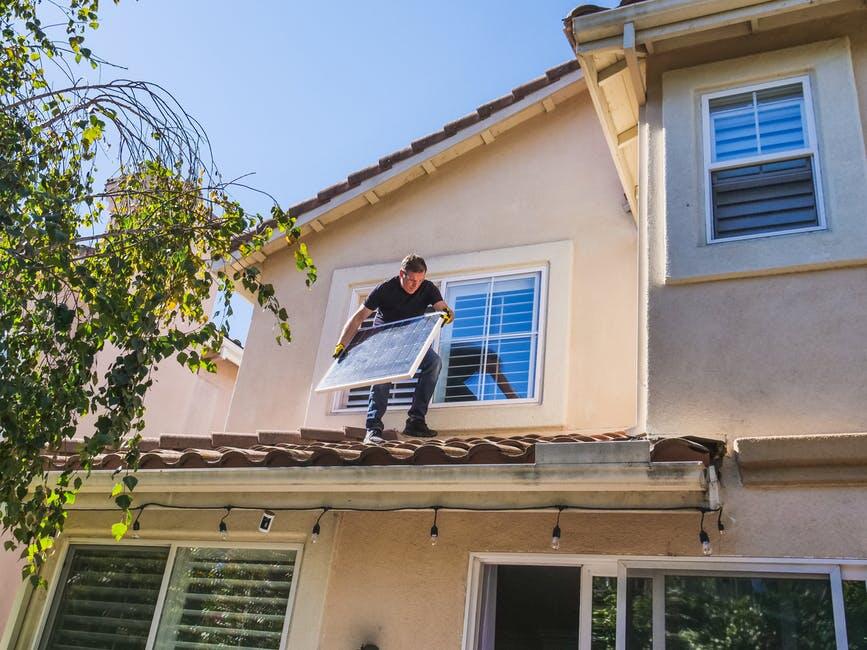
Most solar panels are placed on the roof because it gets lots of sunlight and has plenty of space. However, not every roof is ideal for these systems.
For starters, your roof may be too old. If your asphalt shingle roof is over 15-20 years old, your solar system will likely outlast it. You may also not have enough space for all the panels, though there’s an easy way to confirm that.
The roof’s location plays a key role as well. In the U.S., only south-facing roofs will work at their maximum capacity. Your roof may also get too much shade from trees or nearby buildings, which reduces its efficiency.
2. Low Impact on Electricity Costs
The cost of solar installation is high, but many people make it back in electricity savings within a decade. That said, your electricity bills may already be low if:
- You have a small house
- Your home and appliances are energy-efficient
- Your local electric utility provides low electric rates
In general, your electricity rates mostly depend on where you live. In states like California, where electricity is at a premium, solar panels can be a great way to cut costs. In places like North Dakota, this is less likely.
3. Lack of Eligibility for Incentives
One way to make up for your initial solar investment is to take advantage of solar incentives. The issue: you may not qualify for them.
As of January, homeowners can no longer count on the 30% federal tax credit for installing solar panels. You can still get that 30% credit if you lease your system instead of buying it, but even that option comes with complications.
Another thing to consider is whether your utility company offers net metering. This allows you to receive full credit for any extra energy your panels produce.
How to Get Out of a Solar Contract?
Depending on the solar contract terms, there’s a chance you can get out of it with fewer penalties. Your main options include:
- Canceling during the 3-30 day cooling-off period
- Transferring the contract to a new owner
- Negotiating a contract buyout
You may also negotiate early cancellation if your system is underperforming. In this case, you must also know how to avoid the pitfalls of solar agreements. Your best bet may be to leave the solar contract cancellation process to the experts.
Going Solar Isn’t Always Worth It
As you can see, going solar isn’t the perfect solution for every household. Have you signed a solar contract that you want to get out of? This guide will let you know more about your options and where to go next.
Keep reading our content for more exclusive insights on the solar industry!