EN EL BARRIO: Vecinos Unidos DFW
- Vecinos Unidos DFW was formed to address confusion, fear, and lack of information around immigration processes.
- The group emphasizes non-escalation, accuracy, dignity, and community wellbeing in its approach.
- Volunteers provide presence, support, and connection to resources without directing choices or replacing legal counsel.
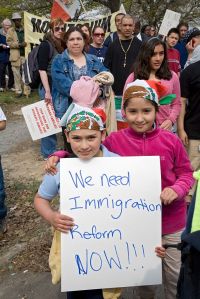
Source: UCG / Getty
A Community-Led Movement Rooted in Accompaniment and Care
Vecinos Unidos DFW is a grassroots, community-led effort that emerged in North Texas in response to growing concerns around immigration enforcement, court navigation, and the isolation many families experience during legal processes.
Rather than positioning itself as a political organization,
Vecinos Unidos DFW centers its work on presence, clarity, and accompaniment showing up so people are not alone while navigating complex systems.
How the Movement Began
The movement was formed by local community members who noticed
recurring patterns of confusion, fear, and lack of information
surrounding immigration check-ins and court appearances in the Dallas–Fort Worth area.
Early efforts focused on observing and documenting what people were experiencing,
listening directly to families, and identifying where gaps in communication
and support existed.
Over time, these observations turned into action —
with volunteers organizing to be physically present
at locations where people often feel the most vulnerable.
The Core Focus: Accompaniment
At the heart of Vecinos Unidos DFW is the concept of accompaniment.
This means standing alongside individuals and families
without directing their choices, escalating situations,
or replacing legal counsel.
Accompaniment can include:
- Providing calm, clear information during check-ins
- Helping people understand paperwork or next steps
- Offering language support when available
- Helping families feel less alone in unfamiliar environments
The goal is not confrontation, but community presence.
Where the Work Happens
Much of Vecinos Unidos DFW’s visibility has centered around
the Dallas ICE Field Office and surrounding legal and administrative spaces.
Volunteers may be present during scheduled reporting times,
offering support to individuals who are required to appear
for appointments or check-ins.
Importantly, participation is voluntary —
and individuals are always encouraged to make decisions
based on their own circumstances and legal advice.
Community Values and Approach
Vecinos Unidos DFW emphasizes a few guiding principles:
- Non-escalation: Maintaining calm, respectful interactions
- Accuracy: Sharing verified information, not rumors
- Dignity: Respecting personal choice and privacy
- Care: Prioritizing emotional and community wellbeing
This approach has allowed the group to work alongside
other local organizations, legal aid providers,
and community advocates without duplicating or interfering
with professional services.
How the Broader Community Can Engage
Support does not require public visibility or protest.
Vecinos Unidos DFW recognizes that people contribute in different ways.
Community members who wish to collaborate or support may:
- Volunteer time or specific skills (translation, logistics, admin)
- Help share verified information responsibly
- Offer rides, childcare referrals, or practical support
- Connect neighbors to trusted legal or social services
The group typically shares updates, needs, and opportunities
through its social media channels.
Searching “Vecinos Unidos DFW” on platforms such as Instagram or Facebook
is the most direct way to stay informed.
Related Local Resources
Vecinos Unidos DFW often works in the same ecosystem
as other North Texas organizations focused on legal aid,
refugee support, and civil rights.
- Human Rights Initiative of North Texas (HRIONT): Free legal services for immigrants and refugees
- Local faith-based organizations: Often provide community navigation and support
- Community legal clinics: Offer know-your-rights education
Why This Movement Matters
Vecinos Unidos DFW exists in a space where systems are complex,
emotions are high, and clarity can be hard to find.
Its work reflects a simple but powerful idea:
communities are safer and stronger
when people look out for one another
without judgment or pressure.
In moments of uncertainty,
accompaniment becomes a form of care —
and care becomes a form of resilience.